
10 Things to Think About Before You Build a Custom Home
Building a custom home is one of the most exciting decisions you'll ever make. It's also one of the biggest. Before you fall in love with a floor plan or start pinning kitchen countertops, there are some really important things to think through first.
We've walked a lot of families through this process, and the ones who feel the most confident going in are the ones who asked the right questions before they ever broke ground. So here's our honest list of the top 10 things to consider when you're thinking about building custom.
1. Know Your Budget Before You Do Anything Else
This one comes first for a reason. It's not just about what you can borrow — it's about what you're actually comfortable spending. Factor in your income, savings, and any future expenses that might be coming your way. New construction can come with costs that sneak up on you (upgrades, landscaping, window treatments — the list goes on), so give yourself a realistic number to work with before you start making decisions.
2. Understand What "Base Price" Actually Means
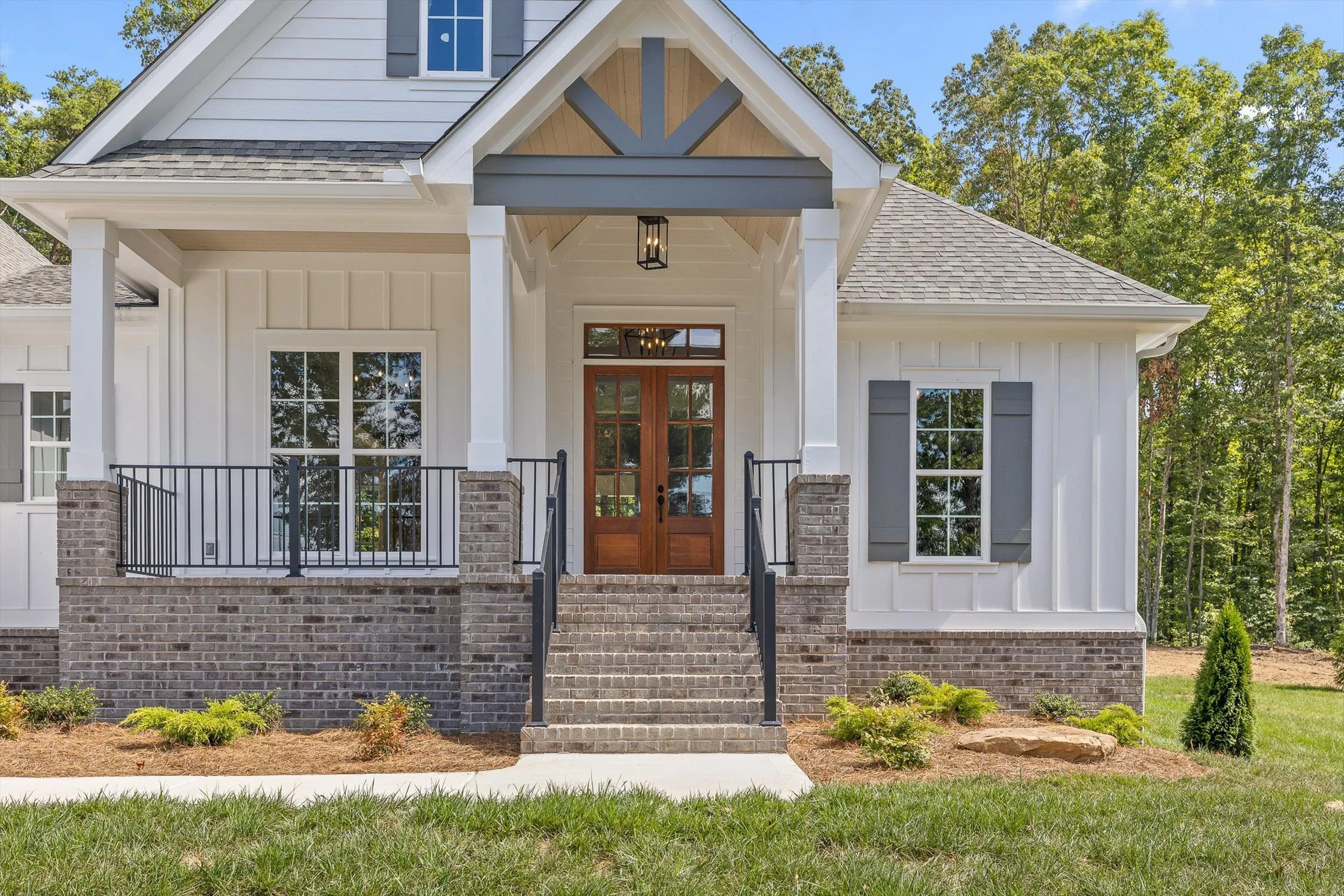
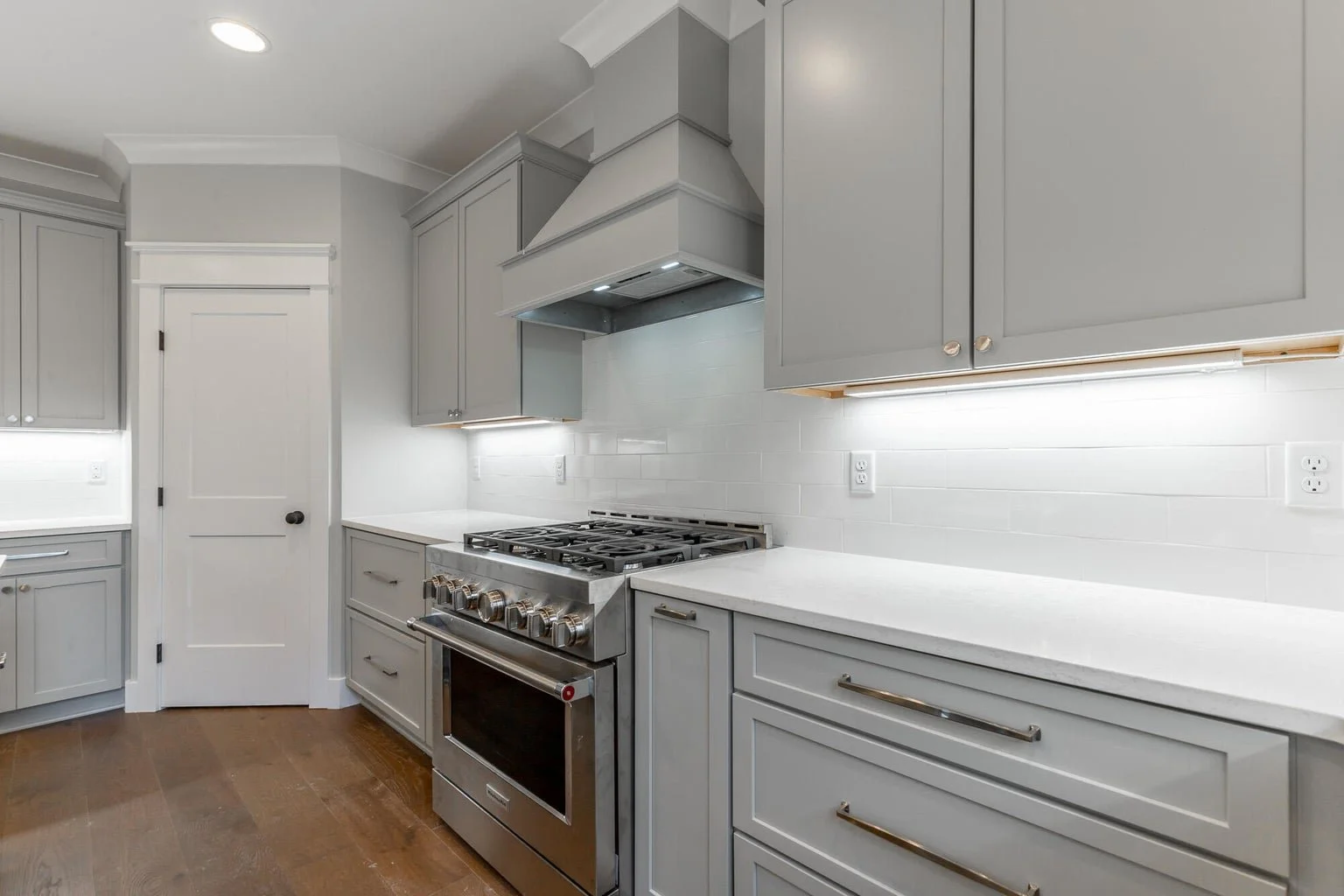
Builders price their homes based on a standard set of finishes. The number you see advertised? That's usually before you add the things you actually want. Ask your builder upfront: what's included in the base price, and what costs extra? Getting a clear breakdown of all costs and fees before you sign anything will save you a lot of stress down the road. Our New Construction Guide walks you through exactly what to ask.
3. The Lot Matters More Than People Realize
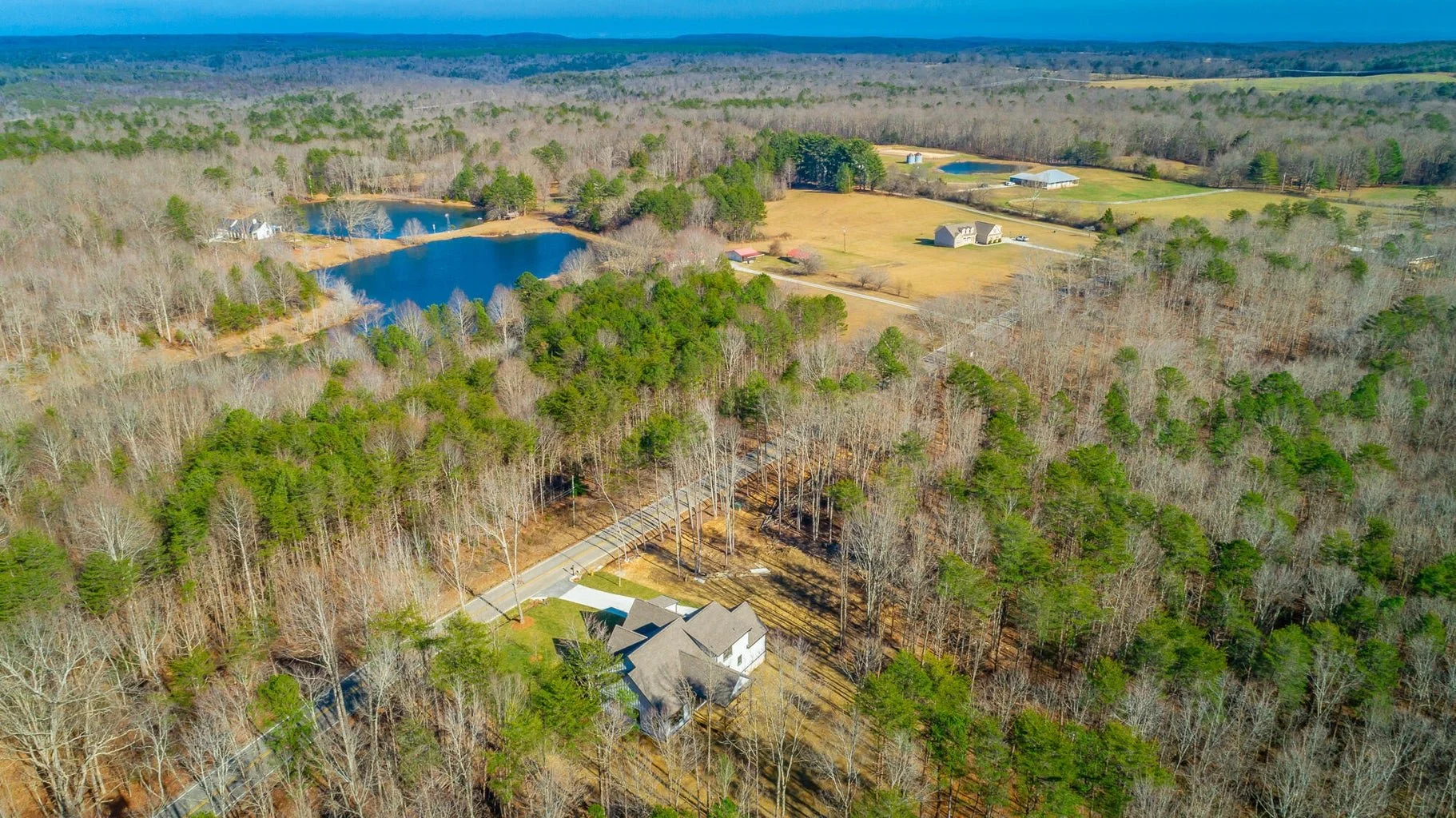
Here's something that doesn't get talked about enough: the land you build on can have a huge impact on your total cost. A flat lot is almost always going to save you money compared to a sloped or heavily wooded one. Grading, retaining walls, and drainage work on a challenging lot can add tens of thousands of dollars to your build — costs that don't show up in your floor plan price. A flat lot isn't just convenient, it's one of the smartest financial decisions you can make when building.
If you're looking in the Chattanooga area, we currently have 1+ acre flat lots available in Cooper's Creek. Contact us to schedule a tour.
4. Research Your Builder Like It's Your Job
Not all builders are created equal. Look into their track record, read reviews from real customers, and ask for examples of previous projects. How long have they been in business? Are they licensed and insured? How do they handle issues when something doesn't go according to plan? These are not awkward questions — they're the right questions. A good builder will welcome them.
5. Location Sets the Stage for Everything
You can change a floor plan. You can't change where your house sits. Think carefully about the neighborhood you're building in — the schools, the commute, the nearby amenities, and what the area looks like five or ten years from now. New construction communities can feel a little unsettled while they're being built, so think beyond the construction phase to the neighborhood you're actually going to live in long-term.
6. Get Pre-Approved for Financing Early
Financing a new build works a little differently than buying an existing home. Some builders offer financing through their own preferred lenders, which can actually make it easier to qualify for a mortgage — and in some cases, they'll even roll the cost of upgrades into your loan. That said, you should still shop around and understand all your options before committing. Get pre-approved early so you know exactly where you stand.
7. Make Your Design Selections Thoughtfully
This is the fun part — and also the part where costs can quietly balloon. When you sit down with the builder's design team to choose finishes, flooring, fixtures, and everything in between, go in with a priority list. Decide ahead of time where you want to spend and where you're okay with the standard option. It's easy to keep saying yes in the design center and lose track of how it adds up.
8. Read the Contract. Then Read It Again.
New construction contracts are detailed, and they're written to protect the builder. That doesn't mean they're unfair — it just means you need to understand what you're agreeing to. Pay close attention to the timeline, what happens if there are delays, how change orders are handled, and what warranties are included. Having someone in your corner who knows how to read these documents is genuinely valuable.
9. Don't Skip the Final Walk-Through
Before you close, you'll have the chance to walk through the finished home and flag anything that needs to be addressed. Take this seriously. Bring a checklist — things like making sure windows and doors open properly, testing plumbing and electrical, checking the HVAC, looking at the quality of finishes throughout. Anything you notice needs to be documented and handled before you sign at closing, not after.
10. Think Long-Term, Not Just Move-In Day
New construction comes with real advantages that pay off over time — lower maintenance costs, energy-efficient appliances, modern safety features, and active warranties that give you peace of mind. But it's also a long-term investment, so think about how the home fits your life not just today, but five, ten, and fifteen years from now. Does the floor plan have room to grow? Is the location positioned well for resale value down the road?
Bottom Line
Building a custom home is an incredible opportunity — and going in informed is what makes it a great experience instead of a stressful one. Whether you're just starting to think it through or you're ready to find the right lot, we're here to help you navigate every step of the process. Want to see what's possible? Download our New Construction Guide for a full breakdown of the process, or reach out to us directly to schedule a tour of our flat acre lots in Cooper's Creek. We'd love to show you around.